Made in Utah, Sold to the World: The Quiet Global Giants in Your Own Backyard
Ask most people what Utah exports and they'll probably say... skiers? Maybe software? The tech corridor along the Wasatch Front gets plenty of press, and rightfully so. But there's a whole other layer of the Utah economy that rarely makes headlines — one built on precision manufacturing, niche agriculture, medical innovation, and industrial expertise that customers in Germany, Japan, South Korea, and the Middle East are actively seeking out.
These aren't flashy companies. They don't throw big launch parties or generate venture capital buzz. They just quietly build things — remarkably specialized things — and ship them to buyers halfway around the world. And in doing so, they generate serious revenue that flows right back into Utah communities.
The Aerospace Component Makers Nobody Talks About
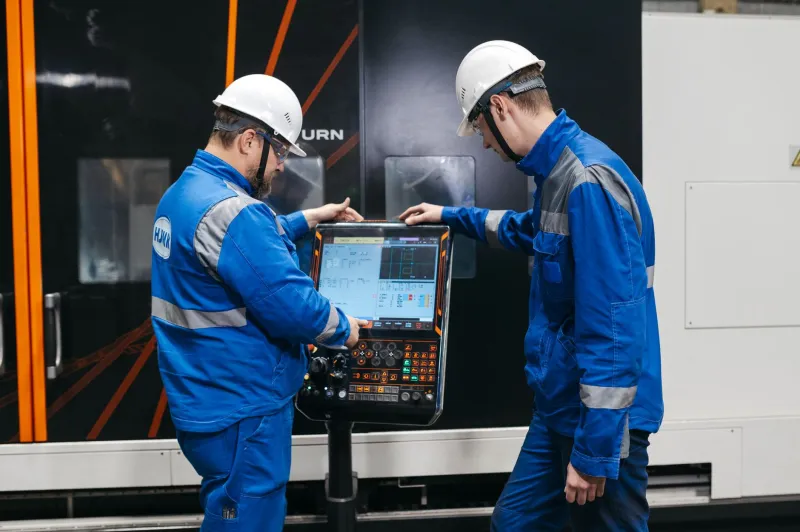
Utah has a long, deep relationship with aerospace and defense. Northrop Grumman's massive rocket motor facility in Promontory is well known. But the real story lives in the dozens of smaller precision manufacturers scattered across the state — companies machining components to tolerances measured in thousandths of an inch, supplying parts to aerospace primes and international aviation customers alike.
Many of these firms operate in relative obscurity, partly by design. Their clients — major aircraft manufacturers, defense contractors, and international space agencies — often require confidentiality. But their economic footprint is substantial.
What gives Utah manufacturers a competitive edge here? Several things converge in interesting ways. The state's relatively low operating costs compared to California aerospace hubs allow for sharper pricing. The workforce pipeline from programs at Utah Valley University and Salt Lake Community College feeds a steady stream of skilled machinists and engineers. And frankly, Utah's culture of precision and reliability — call it what you want, but it shows up in quality metrics that international buyers notice.
"We've had customers fly in from overseas specifically to tour our facility," said one machine shop owner in the greater Salt Lake area who exports to clients in four countries. "They want to see the culture before they commit to a long-term contract. Utah tends to pass that test."
Medical Devices: A Global Market Growing in Utah's Backyard
Utah's medical device sector is one of the state's best-kept economic secrets. The cluster of med-tech companies stretching from Salt Lake City down through Utah County represents a genuine hub of innovation — one with deep roots going back decades.
What's less appreciated is how much of that output leaves the country. Regulatory pathways in Europe, Canada, and parts of Asia have actually made some international markets attractive entry points for Utah med-tech startups, particularly for Class II devices where the approval timeline can be more predictable than the FDA process.
Companies here are manufacturing everything from surgical instruments to orthopedic implants to diagnostic equipment — and selling it to hospital systems in the UK, distributors in Southeast Asia, and specialty clinics across Latin America. The global market for medical devices runs into the hundreds of billions of dollars annually, and Utah has carved out a meaningful slice.
For entrepreneurs thinking about entering this space, the existing cluster matters enormously. The concentration of contract manufacturers, regulatory consultants, materials suppliers, and specialized legal expertise in the Wasatch Front means a new med-tech venture here has access to infrastructure that would be hard to replicate in most other mid-sized American cities.
Specialty Agriculture: Utah's Unexpected Export Crop
This one tends to surprise people. Utah doesn't fit the mental image of a major agricultural exporter — it's not Iowa corn or California almonds. But look closer and you find some genuinely fascinating niches.
Tart cherries from Utah orchards have found buyers in Asia, where the fruit's health properties have driven demand among wellness-conscious consumers. Specialty seed producers in the state supply agricultural markets internationally. And Utah's unique high-desert growing conditions have turned out to be a competitive advantage for certain crops — particularly aromatic herbs and specialty grains — that thrive in the dry, high-altitude climate.
The export logistics aren't always simple, and smaller agricultural producers often face real challenges navigating international trade channels. But organizations like the Utah Department of Agriculture and Food have been working to connect local producers with export assistance programs, and the results are starting to show.
"People think of Utah as a flyover state agriculturally, which couldn't be more wrong," said one rural Utah producer who now ships product to buyers in Japan and South Korea. "Our growing conditions are genuinely unique. We just had to find the customers who understood that."
The Geographic Advantage Nobody Expected
Here's something counterintuitive: Utah's landlocked location — which might seem like a logistical disadvantage for an exporting economy — has turned out to be less of a barrier than you'd expect, and in some ways an actual asset.
The inland port concept developing in Salt Lake City is designed to make Utah a genuine intermodal freight hub, connecting rail, truck, and air cargo in ways that could dramatically improve the state's export logistics infrastructure. Salt Lake City International Airport already handles significant cargo volume, and its central location means efficient connections to both coasts.
For manufacturers, the cost savings from operating away from coastal real estate markets often more than offset the added freight costs — particularly for high-value, lower-weight products like precision components and medical devices, where shipping costs represent a small fraction of the total product value.
What This Means for Utah Entrepreneurs
If you're building a business in Utah and you haven't seriously thought about international markets, it might be time to start. The companies quietly dominating these global niches didn't stumble into export success — they made deliberate choices to pursue it.
A few threads run through almost every success story we encountered:
Specialization pays off globally. The more specific your expertise, the more likely you are to find international buyers who can't easily source what you do locally. Niche depth is a real competitive moat.
Quality signals matter more than you think. International buyers — particularly in Europe and Asia — often conduct more rigorous supplier vetting than domestic customers. Utah companies that invest in certifications, quality systems, and facility excellence tend to win those relationships.
Use the resources available to you. The World Trade Center Utah, state export assistance programs, and industry associations all offer real support for companies exploring international markets. The infrastructure exists — it's just underutilized.
Utah's global economic story is still being written. But the chapters already on the page are a lot more impressive than most people realize.