Packed Boxes and Big Ambitions: What Utah's Remote Work Boom Means for Local Businesses
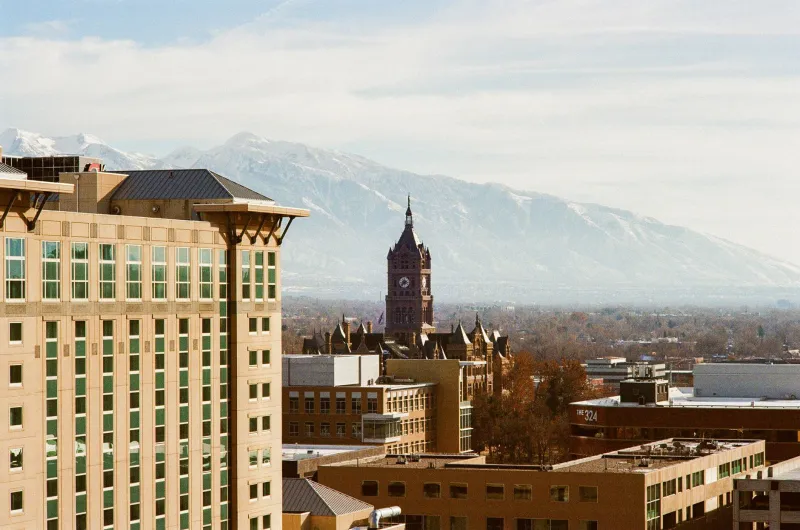
Drive through any of Salt Lake City's newer neighborhoods on a Tuesday morning and you'll notice something: a lot of cars in driveways. Not because people are out of work — quite the opposite. The folks sitting behind those home-office windows are pulling down tech salaries from San Francisco, consulting fees from Manhattan, and marketing contracts from Austin. They just happen to be doing it from Utah now.
The remote work revolution didn't just change how people work. For Utah, it fundamentally changed who lives here — and that shift is quietly rewriting the rules for every entrepreneur and hiring manager in the state.
Why Utah Keeps Winning the Relocation Game
Let's be honest: Utah has been pitching itself as a business-friendly destination for years. But the remote work wave turbocharged a trend that was already building. According to relocation specialists across the Wasatch Front, inbound moves from California, Washington, and the Northeast have jumped dramatically since 2020 — and they haven't slowed down.
"We're seeing people who would have never considered leaving their coastal cities five years ago," says one Salt Lake-based relocation consultant who has helped dozens of remote professionals settle into communities from Lehi to Logan. "They've done the math. A $150,000 remote salary goes about twice as far here as it does in the Bay Area. That's not a small thing."
And it's not just the math. Newcomers consistently cite outdoor access, shorter commutes, a genuine sense of community, and — perhaps surprisingly — a business culture they find refreshingly direct and collaborative. Utah's reputation for entrepreneurial hustle resonates with people who already have an independent streak.
The Talent Pool Just Got Deeper (and More Competitive)
Here's the double-edged reality for Utah-based businesses: that influx of remote workers represents a richer local talent pool than the state has ever had. These are professionals with experience at major tech firms, financial institutions, and creative agencies. Many are now open to local opportunities — either because their remote gig ended, they want something more rooted in their new community, or they're actively building something new.
But recruiting them isn't automatic. Remote workers who relocated from high-cost markets often carry salary expectations that can catch local employers off guard.
"We had a fantastic candidate — genuinely one of the best we'd seen in years — but she was used to a San Francisco compensation structure," recalls a hiring manager at a Provo-based software company. "We had to have some honest conversations internally about what we were willing to offer. In the end, we met somewhere in the middle, and it's been worth every penny."
The takeaway for Utah businesses? Competing for this talent requires flexibility. That doesn't always mean matching coastal salaries dollar for dollar — but it does mean being real about total compensation, remote or hybrid flexibility, and growth opportunities.
Networking in a New Landscape
For professionals who've recently planted roots in Utah, building a local network from scratch is one of the biggest challenges. They may have deep LinkedIn connections back in their home cities, but they're starting fresh here.
This creates a genuine opening for Utah's existing business community. Industry meetups, local chambers, co-working spaces, and entrepreneur groups are seeing a wave of motivated newcomers eager to plug in. Organizations that make it easy for outsiders to find their footing — rather than operating like closed clubs — are the ones building the strongest, most diverse networks right now.
Co-working spaces in particular have become unexpected hubs of cross-pollination. A remote product manager from Seattle ends up sharing a table with a local founder who needs exactly that skill set. A transplant from Chicago with financial services experience connects with a Utah startup trying to crack institutional markets. These organic collisions are generating real business momentum.
The Cultural Ripple Effects Nobody's Talking About
It's not all seamless. Long-time Utah business owners will tell you — sometimes with a hint of frustration — that the local market feels different than it did a decade ago. Housing costs have climbed. Competition for office space has intensified. And the cultural fabric of some business communities is shifting as newcomers bring different expectations and working styles.
But most entrepreneurs we've spoken with see the net effect as positive. New residents bring fresh perspectives, different industry connections, and consumer spending power that benefits local businesses across the board. Restaurants, retailers, service providers, and professional services firms are all seeing demand from a population that's generally affluent and eager to support their new community.
"These people want to belong here," notes one longtime Salt Lake entrepreneur. "They're not just passing through. They're buying houses, joining boards, starting companies. That's good for all of us."
What Local Businesses Should Do Right Now
If you're a Utah entrepreneur or business owner trying to make sense of this shifting landscape, here's the practical upshot:
Audit your hiring approach. Are your job postings and compensation packages competitive with what remote workers are used to seeing? If your benefits haven't been updated in three years, it's time.
Show up where newcomers are. Whether it's a co-working happy hour in Sugar House or a startup mixer in Silicon Slopes, the professionals you want to meet are actively looking for community. Be there.
Don't sleep on the referral network. Remote workers who love their new home become some of the most enthusiastic recruiters for the state. Build genuine relationships with them and they'll help bring more great people your way.
Embrace the hybrid reality. Many of these workers chose Utah precisely because they value flexibility. Businesses that offer meaningful hybrid or flexible arrangements will have a recruiting edge that's hard to replicate.
Utah has always punched above its weight in the business world. The remote work migration is handing the state another opportunity to do exactly that — if local businesses are ready to meet the moment.