Built in Utah, Delivered to America: How the Beehive State Became the Country's Go-To Manufacturing Lifeline
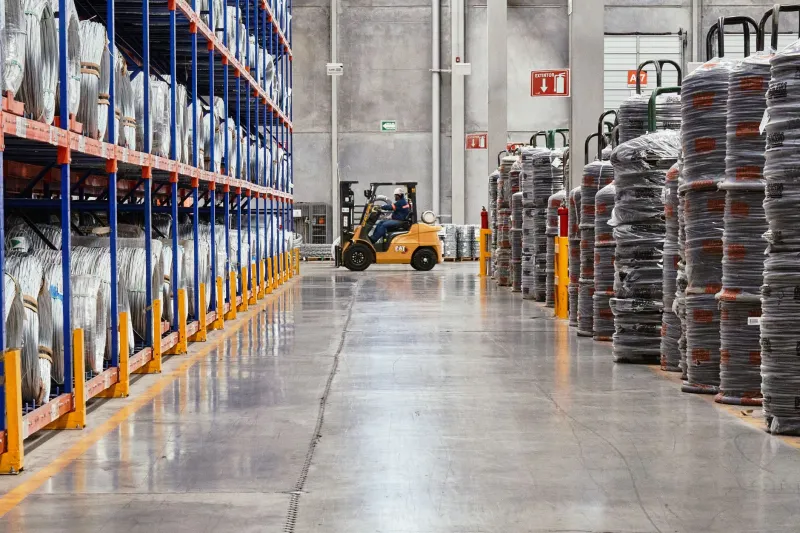
There's a moment that a lot of supply chain managers remember clearly — sometime in 2020 or 2021, staring at an empty shelf or a delayed shipment tracker, realizing that depending on the other side of the world for critical goods was a gamble that had finally come due. That reckoning triggered a nationwide scramble for domestic alternatives, and Utah was ready in ways that surprised a lot of people.
The Beehive State doesn't always make the headlines when people talk about American manufacturing. That conversation usually defaults to the Rust Belt, or maybe Texas. But quietly — and with the kind of steady, methodical momentum that Utah businesses tend to favor — the state has built a manufacturing and logistics ecosystem that's increasingly essential to companies trying to bring their supply chains back home.
A Geography That Works in Utah's Favor
Before getting into the businesses themselves, it's worth understanding why Utah keeps showing up on the shortlist for domestic production partners. Geography plays a huge role.
Salt Lake City sits within a day's drive of a massive chunk of the western United States. The state's interstate access — I-15, I-80, I-70 — gives manufacturers efficient routes in every direction. The inland port project developing on the west side of Salt Lake City is designed to make Utah a legitimate hub for multimodal freight, connecting rail, trucking, and eventually air cargo in ways that compress delivery timelines significantly.
For companies that spent years routing products through West Coast ports only to watch container backlogs pile up, Utah's central positioning in the Mountain West started looking like a very smart hedge.
The Manufacturers You Haven't Heard Of (But Should)
Utah's manufacturing scene doesn't have a lot of household names — and that's actually kind of the point. These are companies that built their reputations on reliability, not press releases.
Take the aerospace and defense sector, which has deep roots in Utah thanks to companies like Northrop Grumman's solid rocket motor operations near Promontory. That industrial heritage has created a pipeline of skilled labor and precision manufacturing expertise that extends well beyond defense contracting. Smaller Utah manufacturers in aerospace components, advanced composites, and electronics assembly have been quietly supplying major OEMs for decades.
The food and beverage manufacturing sector is another one that surprises people. Utah's central location and cold storage infrastructure make it an efficient distribution point for shelf-stable goods, supplements, and specialty food products. The state's nutritional supplement industry — centered largely in Utah County — is genuinely world-scale, with companies there producing products sold under hundreds of different brand names globally.
And then there's industrial equipment, medical devices, and specialty chemicals — all sectors where Utah companies have carved out legitimate niches that larger corporations are now actively seeking out as domestic sourcing alternatives.
What Fortune 500 Buyers Are Actually Looking For
The shift toward domestic sourcing isn't just about patriotism or politics — it's about risk management. Procurement teams at major corporations are now explicitly factoring supply chain resilience into their vendor evaluations in ways they simply weren't doing five years ago.
What does that mean in practice? They want manufacturers who can demonstrate consistent capacity, quality certifications, and the ability to scale quickly when demand spikes. They want logistics partners who aren't dependent on a single port or a single carrier. And increasingly, they want suppliers close enough that a site visit doesn't require a 14-hour flight.
Utah manufacturers who've done the work — ISO certifications, lean manufacturing adoption, investment in domestic raw material sourcing — are finding that the contracts are there for the taking. The competitive conversation has shifted. It's no longer just about price per unit. It's about total landed cost, lead time reliability, and what happens when something goes wrong.
The Job Creation Story Nobody's Talking About Enough
Here's what this trend means for people building careers or businesses in Utah right now: manufacturing is hiring, and it's hiring well.
The jobs created by domestic supply chain investment aren't the stereotypical low-skill assembly line roles of decades past. Modern manufacturing in Utah involves CNC machining, robotics operation, quality control engineering, supply chain coordination, and advanced logistics management. These are careers with real wage growth potential and industry certifications that travel.
For entrepreneurs, the opportunity is even more interesting. As large manufacturers expand Utah operations, they create demand for supporting services — specialized staffing, industrial equipment maintenance, packaging suppliers, freight brokers, and more. The ripple effects of a single major manufacturing contract can support dozens of smaller businesses in the surrounding community.
Networking events hosted by the Utah Manufacturers Association and regional economic development groups are increasingly worth attending for professionals in adjacent industries. The connections being made in those rooms right now are the kind that lead to contracts, partnerships, and career pivots that wouldn't have been on the table a few years ago.
Challenges Worth Naming
None of this is without friction. Utah manufacturers are dealing with the same labor market pressures as everyone else — finding skilled workers remains genuinely difficult, and wage competition from tech employers in the same geography adds complexity.
Real estate and industrial space costs have climbed significantly as demand for warehouse and manufacturing square footage has surged. Companies looking to expand operations in the Salt Lake Valley are finding that available industrial land is tighter and pricier than it was even three years ago. Some are looking south toward Utah County or further into the Wasatch Back for more affordable options.
And the supply chain reshoring trend, while real, isn't happening overnight. Corporate procurement cycles are long. Building a new vendor relationship with a Fortune 500 company can take 18 months from first contact to first purchase order. Utah manufacturers who are positioning for this opportunity need patience and working capital to sustain the sales cycle.
The Long Game
What's happening in Utah's manufacturing and logistics sector is less of a sudden boom and more of a long-overdue recognition. The infrastructure, the workforce pipeline, and the business community were already here. What changed is that the rest of the country finally started paying attention.
For Utah entrepreneurs and professionals, that attention is an opportunity — to grow existing businesses, to launch new ones, or to build careers in an industry that's genuinely expanding. The Beehive State has always been good at making things. It's just that now, America needs that more than ever.